
Skincare
It’s a massive market given our forever pursuit of youthful, dewy-looking skin. There are an estimated 200,000 – 500,000+ individual skincare products (SKUs) worldwide, adding up to a global market of 122–180 billion in 2025 (reference: Fortune Business Insights, 2025).
Showing 1–10 of 24 results


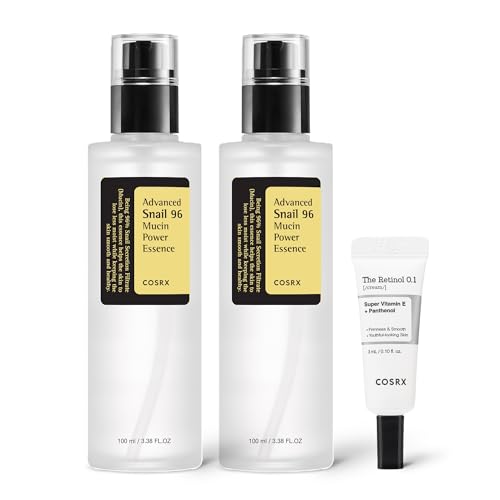

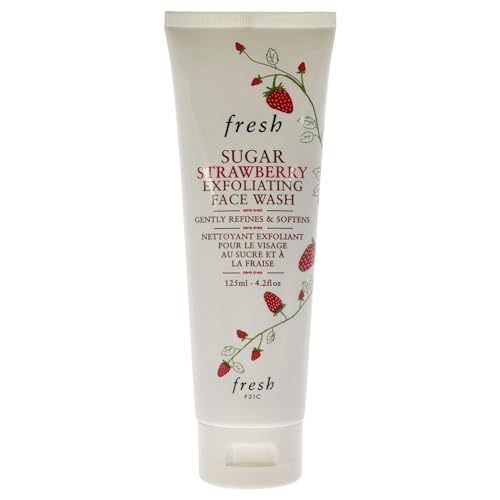

It was relatively easy for me to present recommended products, because (1) I’ve not only tried 100s! (as you may have) and found that (2) common themes emerged for the stand-out ones. The cosmetic industry is not required to obtain FDA approval, so the bar can be low on the chemical additives that can make you breakout.
The recommended products are ones I actually use!! The ingredients are gentle, “clean”, hydrating and barrier-supporting that are well-tolerated by a wide range of skin types including sensitive skin. Yes, Kiehl’s, Medicube, Clinique and Goop products that are highlighted tend to be more expensive than drugstore brands, but for the long-run, their underlying ingredients are healthier. Here’s a breakdown of the ingredients:
For Kiehl’s:
Squalane – A skin-identical emollient that mimics natural lipids, helps retain moisture, and smoothes without irritation.
Glacial Glycoprotein – Sourced from sea glaciers, it helps boost hydration and protect the skin from dehydration.
Hyaluronic Acid & Glycerin – Strong humectants that attract and hold water in skin layers for long-lasting hydration.
Ceramides & Pro-Ceramides – Lipids that support the skin’s barrier function and prevent moisture loss.
For Goop sunscreen products are also made from “clean” ingredients that don’t make one breakout.
Korean Medicube products are among the top-sellers on Amazon and in Korea too! This isn’t surprising because the price points are not sky high and they are incredibly effective in keeping skin looking young touting niacinamide (Vitamin B3), squalane, among others. These translate into hydration & barrier support; plumping & elasticity; improved skin tone & texture and anti-oxidation. Now one thing about Medicube’s Collagen and hydrolyzed collagen jelly ingredient claims: collagen cannot penetrate our dermis. It’s too large aprotein. What they seem to do is hydrate and support elasticity, more a humectant effect than providing an underlying structural impact.