
Last Updated: October 2, 2026
What Is Epigenetics and How Is It Involved in Longevity?
Your genes aren’t your complete destiny. A major contributor is epigenetics, which are chemical tags that are added to our genes, that govern whether a gene is turned on, off, or somewhere in between. Epigenetics does NOT entail mutations, but the impact can be the same (1-3). Epigenetics is precisely what I received my doctorate in many moons ago.
How did we arrive at epigenetics being a major contributor to our lifespan? By analyzing twin studies that were conducted in Denmark, Sweden and the UK (1-3)! Clearly twins share similarities between the DNA, yet when they go they separate ways and take on different lifestyle habits, their healthspan outcomes can become different.
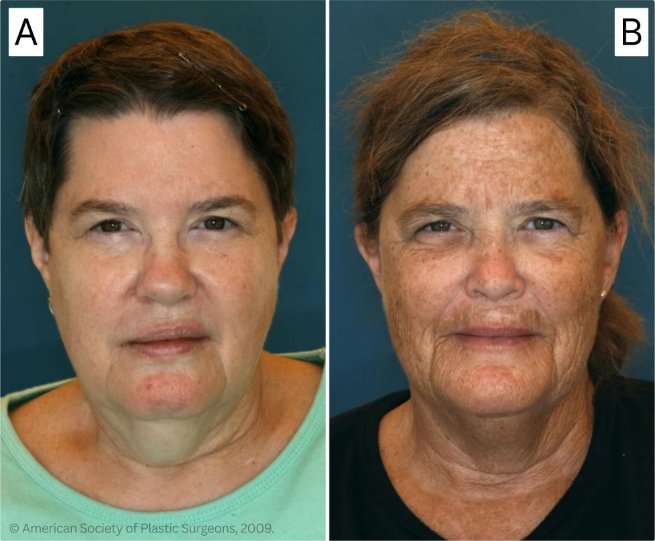
Below is an illustration of this: this is an example of monozygotic twins, aka identical twins. They share the nearly the exact same DNA. Twin A was a non-smoker with limited sun exposure, whereas her twin sister was a long-term smoker and had greater sun exposure. But it’s not entirely what’s on the surface that differentiates the two. It’s also what lies BENEATH, in their DNA that could be affected.
While their epigenetic status could not be evaluated at the time because tests were unavailable at the time, smoking has become one of the best studied habits that results in epigenetic changes around a gene called AHRR (4-5). Analysis of the AHRR gene revealed that in smokers, regions of the gene become less methylated – a fancy term for a chemical tag that becomes released, allowing for more of the AHRR gene to become expressed. The gene becomes busy when triggered by environmental toxins like smoking. It’s unclear still if it is associated with carcinogenesis; at most, we know that it can serve as a biomarker of smoking. When someone stops smoking, the AHRR gene is no longer activated and it undergoes heavy methylation, tags to shut down expression.
Epigenetics is heavily influenced by our environment, which includes the foods we eat, the exercise we do, our level of stress, how much we sleep, how much sun we get – pretty much anything . It’s core to longevity.
THE GOOD NEWS: through behavioral modifications we can regulate our genes! We don’t need a mutation in your genes to be affected, although when mutations occur – it’s like a sledgehammer and usually for the negative.
Let’s dive a little deeper:
Epigenetic lifestyle changes for longevity refer to modifications in daily habits, diet, movement, stress management, and sleep, that influence how your genes are expressed without altering your DNA sequence itself. Think of it as turning genes on or off through your lifestyle choices. DNA methylation and associated proteins called histones are the two primary mechanisms that control this process. When you adopt practices that reduce inflammation, support mitochondrial health, and manage stress, you’re essentially reprogramming your cells at the molecular genetic level.
The stakes are real. Your chronological age, the number of years you’ve lived, is just one measure. Your biological age, determined by epigenetic markers and other cellular indicators, is what actually predicts how long you’ll live and how well you’ll feel. The good news: biological age can move backward. Unlike genetic mutations, epigenetic changes are reversible. You have genuine control over this.
Here’s what most guides get wrong: they treat epigenetic lifestyle changes as a single protocol. They’re not. The most effective approach matches your starting point, your constraints, and your goals. A 45-year-old managing pre-diabetes needs a different emphasis than a 62-year-old focused on cognitive sharpness. Both benefit from epigenetic reprogramming, but the implementation differs.
We’ll provide more examples of this in an upcoming newsletter issue. If interested in subscribing, click here.
References:
(1) Herskind AM et al. (1996). The heritability of human longevity: A population-based study of 2,872 Danish twin pairs born 1870–1900. Human Genetics, 97(3):319–323. DOI: 10.1007/BF02185763
(2) Floderus B, Cederlöf R, Friberg L. (1988). Smoking and mortality: A 21-year follow-up based on the Swedish Twin Registry. International Journal of Epidemiology, 17(2):332–340. DOI: 10.1093/ije/17.2.332
(3) Moayyeri A, Hammond CJ, Valdes AM, Spector TD. (2013). Cohort Profile: TwinsUK and Healthy Ageing Twin Study. International Journal of Epidemiology, 42(1):76–85. DOI: 10.1093/ije/dyr207
(4) Zeilinger S et al., (2013) Tobacco smoking leads to extensive genome-wide changes in DNA methylation. PLOS ONE, 8(5):e63812. DOI: 10.1371/journal.pone.0063812
(5) Bojesen SE et al., (2017) AHRR (cg05575921) hypomethylation marks smoking behaviour, morbidity and mortality. Thorax, 72(7):646–653. DOI: 10.1136/thoraxjnl-2016-208789
Frequently Asked Questions
Can lifestyle changes actually reverse biological age?
Yes, research shows that epigenetic lifestyle changes can reverse biological age by modifying gene expression without altering DNA sequence. Interventions including diet, exercise, sleep optimization, and stress reduction have been shown to reset epigenetic clocks and reduce cellular senescence. However, the magnitude of reversal depends on consistency, starting point, and individual genetics. Results typically emerge over months of sustained practice rather than weeks.
What's the difference between chronological age and biological age?
Chronological age is how many years you've lived; biological age reflects how your cells have aged at the molecular level. Biological age is determined by epigenetic markers like DNA methylation patterns and telomere length. Two people of the same chronological age can have vastly different biological ages depending on lifestyle, stress exposure, and environmental stressors. Epigenetic testing measures biological age, giving you actionable data on whether your lifestyle is accelerating or slowing aging.
How do diet and exercise influence epigenetic markers?
Diet influences epigenetic markers through nutrigenomics: specific foods activate or silence genes related to longevity. Mediterranean diet patterns, polyphenol-rich foods, and caloric restriction trigger sirtuin pathways and AMPK activation, which enhance DNA repair mechanisms and mitochondrial biogenesis. Exercise similarly activates these pathways while reducing oxidative stress and cellular senescence. Zone 2 training is particularly effective for epigenetic reprogramming because it sustains metabolic health without excessive inflammation.
What are the most effective epigenetic interventions for aging?
The most evidence-backed interventions are: structured physical activity (especially Zone 2 training), Mediterranean-style nutrition with emphasis on polyphenols, sleep optimization aligned with circadian rhythm, chronic stress reduction through breathing practices, and caloric restriction or intermittent fasting protocols. These work synergistically to modify histone modification, reduce DNA methylation in aging-related patterns, and activate longevity genes. Combining three or more interventions produces stronger epigenetic reprogramming than any single strategy alone.