
Last Updated: November 19, 2026
Quick Summary
Anti-inflammatory foods that support joint health include fatty fish, dark leafy greens, berries, turmeric and ginger, walnuts and seeds, extra virgin olive oil, and green tea. They supply omega-3 fats, antioxidants, or plant compounds linked to lower inflammatory markers. Consistent eating matters more than any single ingredient.
- Fatty fish like salmon and sardines supply EPA and DHA omega-3 fats, commonly suggested two or three times a week.
- Canned tuna contains less omega-3 than salmon or sardines, so do not rely on it as your main source.
- Curcumin is poorly absorbed alone and is often paired with black pepper and a fat source.
- High-dose turmeric supplements can interact with blood thinners, so discuss them with a clinician first.
- Limiting sugary drinks, processed snacks and refined grains matters as much as adding these foods.
Table of Contents
- Why Diet Matters for Joint Inflammation
- 1. Fatty Fish: Salmon, Sardines and Tuna
- 2. Dark Leafy Greens: Spinach, Kale and Broccoli
- 3. Berries and Cherries
- 4. Turmeric and Ginger
- 5. Walnuts, Chia and Flaxseeds
- 6. Extra Virgin Olive Oil
- 7. Green Tea
- Foods That Can Work Against Your Joints
- Summary Table
- Start With One Change This Week
- Frequently Asked Questions
Why Diet Matters for Joint Inflammation
Joint pain often starts with inflammation, and what you eat every day can either feed that process or calm it, which is why many people turn to anti-inflammatory foods as a daily habit. This guide focuses on foods that research most consistently links to healthier joints, without hype or quick fixes. Below, we walk through seven anti-inflammatory foods and explain how each one fits into a practical daily routine. For a broader, step-by-step plan on the same topic, see longevity lifestyle guide.
Inflammation is the body’s natural response to injury and stress. When it persists, it can wear on cartilage and surrounding tissue over time. Diet is one of the few factors people can adjust every day, which is why it is often discussed for joint discomfort.
Many people find that a steady pattern of whole foods works better than chasing a single miracle ingredient. The seven foods below share a common trait: they supply omega-3 fats, antioxidants, or plant compounds that researchers associate with lower inflammatory markers. Start with the ones you already like, then build from there.
A practical pattern helps as well. Most anti-inflammatory eating plans emphasize vegetables, fruit, legumes, nuts, healthy oils, and fish, while limiting heavily processed foods. Consistency over several weeks matters more than perfect meals on any single day.
1. Fatty Fish: Salmon, Sardines and Tuna
Fatty fish is among the most widely recommended foods for joint health because it supplies EPA and DHA, two omega-3 fatty acids. Salmon, sardines, and tuna are the most common choices.
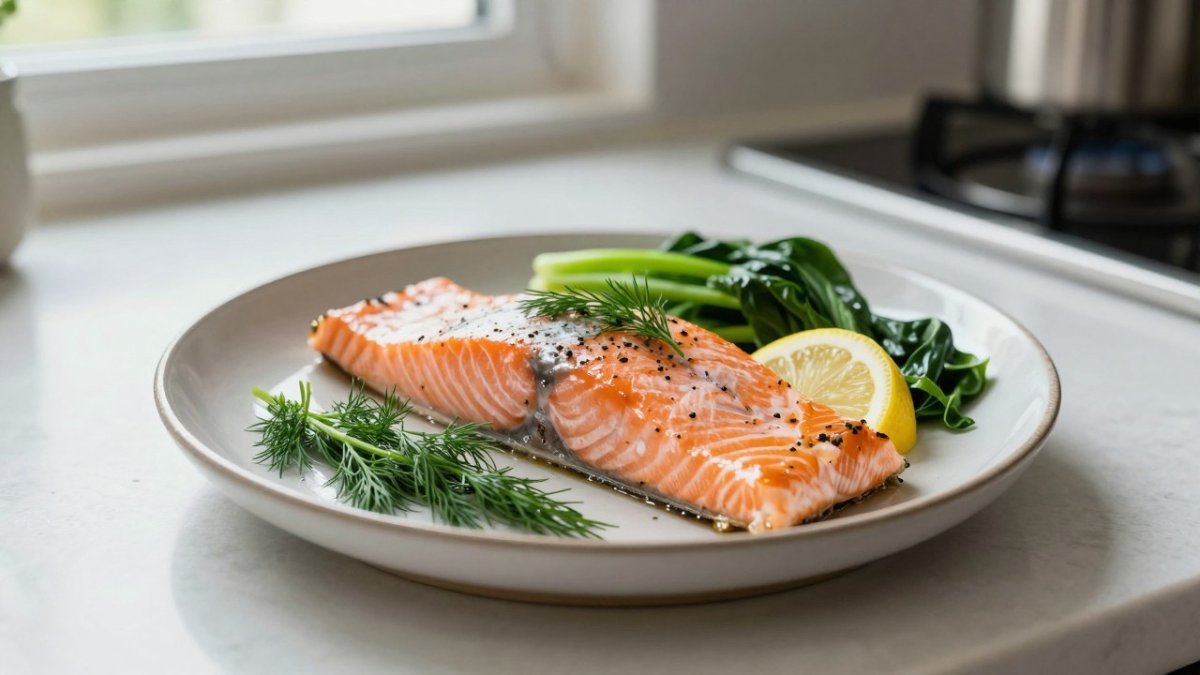
Fatty fish is commonly suggested two or three times a week. Practical healthy food swaps can help you work these foods into your meals. Canned sardines and salmon are widely available, shelf-stable options. Wild-caught fish often costs more than farmed, so choose what fits your budget.
Watch out: canned tuna contains less omega-3 than salmon or sardines, so do not rely on it as your main source.
2. Dark Leafy Greens: Spinach, Kale and Broccoli
Dark leafy greens bring vitamin K, fiber, and antioxidants such as lutein and zeaxanthin into your diet with very few calories. Spinach, kale, and broccoli are easy to add to eggs, soups, and stir-fries.
Greens are inexpensive and widely available. Their main challenge is preparation: lightly steaming or sautéing them keeps them enjoyable enough to eat regularly.
3. Berries and Cherries
Berries and cherries contain anthocyanins, pigments that act as antioxidants. Blueberries, strawberries, and tart cherries are the most common choices.
They work well as a snack or stirred into breakfast. Frozen berries retain much of their nutritional value and cost less than fresh ones out of season, which makes them a sensible year-round option.
4. Turmeric and Ginger
Turmeric and ginger are the two spices most often studied for joint-related inflammation, but they work through different compounds and deserve separate treatment.
Turmeric (curcumin). The active compound is curcumin, a polyphenol that has been studied for its effects on inflammatory pathways. Most human trials use concentrated curcumin extracts rather than culinary amounts of the spice. Curcumin is poorly absorbed on its own, and it is often paired with black pepper and a fat source to improve absorption. Common culinary uses include curries, lentil soups, golden milk, and rice dishes. Watch out: high-dose curcumin supplements can interact with blood thinners and may affect liver enzymes in some people, so discuss supplements with a clinician before starting them.
Ginger. Gingerols and shogaols are the main bioactive compounds in fresh and dried ginger. Ginger has been studied for nausea and for joint pain, though results are mixed and study sizes are generally small. Fresh ginger is commonly grated into stir-fries, soups, and teas, and dried ground ginger works in baking and spice blends.
Evidence framing. It is worth being clear about what the research supports. Laboratory studies show these compounds affect inflammatory pathways, but the evidence is not strong enough to claim that either spice treats arthritis. If you take medication or manage a bleeding disorder, check with your doctor before using concentrated turmeric or ginger supplements.
5. Walnuts, Chia and Flaxseeds
Walnuts, chia seeds, and flaxseeds supply alpha-linolenic acid (ALA), a plant-based omega-3, along with fiber and magnesium. They are shelf-stable and portable.
Nuts and seeds are calorie-dense, so measure portions rather than eating straight from the bag. A small handful of walnuts or a tablespoon of ground flaxseed stirred into yogurt is a practical serving.
6. Extra Virgin Olive Oil
Extra virgin olive oil is a staple of Mediterranean-style eating. It contains monounsaturated fats and oleocanthal, a compound that has drawn research interest for its anti-inflammatory properties.
It can be used in place of refined cooking oils and as the base for salad dressings. Quality varies widely between brands, so look for a harvest date and buy from a reputable source. Store it away from heat and light.
7. Green Tea
Green tea is rich in polyphenols, especially epigallocatechin-3-gallate (EGCG). It is a low-calorie way to add antioxidants to your daily routine.
Green tea contains caffeine, which may affect sleep if you drink it late in the day. Most people find that one or two cups in the morning or early afternoon fit well.
Foods That Can Work Against Your Joints
The seven foods above help most when they replace less helpful choices. Highly processed foods, sugary drinks, and refined carbohydrates tend to push inflammatory markers in the wrong direction, and limiting them matters as much as adding the foods listed here.
Condition-specific context. Evidence and dietary priorities differ by joint condition. In osteoarthritis, weight management and overall diet quality tend to matter more than any single food, because excess body weight increases load on weight-bearing joints. In rheumatoid arthritis, an autoimmune condition, some people report symptom changes with specific foods, and Mediterranean-style eating patterns are commonly discussed with clinicians. In gout, purine-rich foods and alcohol, especially beer, are the classic triggers, and the priorities are different from general anti-inflammatory eating. A food that helps one condition may be irrelevant or even unhelpful for another.
Foods and patterns to limit. The clearest candidates to cut back on are sugar-sweetened beverages, heavily processed snack foods, processed meats, and refined grains. Excess added sugar and highly processed foods are consistently associated with higher inflammatory markers in observational research, though the evidence is stronger for overall dietary patterns than for any single ingredient.
Safety and medication considerations. If you take blood thinners, turmeric and ginger supplements can interact with them. If you have a fish or shellfish allergy, fatty fish is off the table and plant omega-3 sources become more important. If you have kidney disease, your clinician may advise limiting certain foods. Major diet changes, and especially supplements, are worth discussing with a doctor or registered dietitian who knows your history. Dietary advice here is general information, not a substitute for individual medical care.
Summary Table
| Food | Key Compound | Main Benefit | Easy Way to Eat It |
|---|---|---|---|
| Fatty fish | EPA and DHA omega-3s | Supports inflammation balance | Grilled salmon or canned sardines |
| Dark leafy greens | Vitamin K, lutein | Nutrient-dense, low calorie | Sautéed spinach or kale |
| Berries and cherries | Anthocyanins | Antioxidant protection | Frozen berries in yogurt |
| Turmeric and ginger | Curcumin, gingerols | Traditional anti-inflammatory use | Golden milk or stir-fry |
| Walnuts, chia, flax | ALA omega-3s, fiber | Plant-based omega-3s | Handful of walnuts or seeds |
| Extra virgin olive oil | Oleocanthal, monounsaturated fat | Replaces inflammatory oils | Salad dressing base |
| Green tea | EGCG polyphenols | Antioxidant hydration | One or two morning cups |
Start With One Change This Week
Choosing one food from this list and building a meal around it is more sustainable than overhauling your diet overnight. Longevity Made Simple offers science-backed guidance on building everyday habits; its focus is on long-term healthspan. Begin with fatty fish twice this week, add a handful of walnuts to your breakfast, and see how your routine feels after a few weeks.
Frequently Asked Questions
What is the strongest natural anti-inflammatory food for joints?
No single food works alone, but fatty fish such as salmon, sardines and tuna are among the most studied options because they supply EPA and DHA omega-3 fatty acids, which the body uses to make less inflammatory signalling compounds. Extra virgin olive oil, which contains oleocanthal, and turmeric are also frequently mentioned in research. The most consistent pattern in the research is a varied diet rich in these foods rather than one standout ingredient. Evidence for specific joint outcomes is still limited, so treat these foods as part of a broader eating pattern, and talk with your doctor if you have arthritis or take medication.
Can an anti-inflammatory diet help with arthritis symptoms?
An anti-inflammatory eating pattern may help some people manage arthritis symptoms such as stiffness and pain, though results vary and dietary change is not a replacement for medical treatment. Diets built around vegetables, fruit, whole grains, legumes, nuts, seeds, fish and olive oil are the most consistently studied. Expect gradual changes over several weeks rather than quick relief. If you have osteoarthritis, rheumatoid arthritis or another joint condition, review any dietary changes with your healthcare provider, especially if you take medication or have food allergies.
What foods should you limit if you have arthritis?
Foods commonly associated with higher inflammation include processed meats, sugary drinks, refined carbohydrates such as white bread and pastries, fried foods, and large amounts of highly processed snacks. Some people also find that alcohol or very salty foods worsen symptoms. The evidence linking specific foods to individual joint pain is mixed, so keep a simple food and symptom diary for a few weeks to see what affects you. Reducing these foods gradually, rather than eliminating everything at once, is usually easier to sustain.
What is a 21-day anti-inflammatory diet?
A 21-day anti-inflammatory diet is a short structured plan that emphasises vegetables, fruit, fatty fish, legumes, nuts, seeds, whole grains and olive oil while reducing processed foods, added sugar and fried items. Its value is mostly as a trial to build habits and notice how your body responds. Twenty-one days is not long enough to prove lasting changes in joint health, so use it as a starting point and continue with a balanced pattern afterwards. Check with your doctor before starting if you have diabetes, kidney disease or take medication that interacts with food.