
Last Updated: November 14, 2026
Quick Summary
A continuous glucose monitor is a small wearable sensor that measures glucose under the skin and sends readings to a phone app. Over-the-counter options like Stelo and Lingo suit people without diabetes who want to see how meals, sleep and activity affect their glucose. The evidence on long-term benefits for non-diabetics is still limited.
- Wear sensors on the back of the upper arm or the abdomen, and readings update every few minutes.
- Compare devices by cost per day of wear, not by the starter kit price.
- Most non-diabetics only need a short trial of a few weeks to learn their own patterns.
- Interstitial fluid readings can lag blood glucose during fast changes, so avoid judging single spikes.
- Bring CGM readings to your doctor if you have prediabetes or a family history of diabetes.
Table of Contents
- What a Continuous Glucose Monitor Does and How It Works
- Are CGMs Useful for Non-Diabetics? What the Evidence Shows
- Who Is Most and Least Likely to Benefit
- Stelo vs Lingo: Head-to-Head Comparison
- Cheapest CGM for Non-Diabetics: Real Cost of Ownership
- How Long Should a Non-Diabetic Wear a CGM?
- Choosing Your CGM: Next Steps With Your Clinician
- Frequently Asked Questions
What a Continuous Glucose Monitor Does and How It Works
A continuous glucose monitor (CGM) is a small wearable sensor that measures glucose in the fluid beneath the skin, typically every few minutes, and sends readings to a phone app. This guide compares the over-the-counter tools that people without diabetes are now buying on the points that matter most to a non-diabetic reader.
The sensor is applied to the back of the arm or the abdomen with a short adhesive applicator. A thin filament sits just under the skin, and the sensor reports glucose levels continuously rather than requiring fingerstick checks. The result is a stream of data showing how glucose rises and falls across meals, exercise, sleep and stress.
Two things are worth knowing before you choose. A CGM measures interstitial fluid, not blood, so readings can lag behind blood glucose during fast changes. And the number on screen is a measurement, not a diagnosis. Treat it as a pattern-finding tool.
Are CGMs Useful for Non-Diabetics? What the Evidence Shows
The honest answer is that the evidence is still developing. Many researchers agree that glucose tracking can reveal how individual foods, sleep and activity affect a person’s glucose response. Whether seeing that data changes long-term health outcomes in people without diabetes is less clear, and the research is limited.
This is where our approach matters. NIH National Institute of Diabetes and Digestive and Kidney Diseases guidance on glucose monitoring is a useful starting point for understanding what glucose numbers do and do not tell you. Read that alongside the marketing claims of any device.
For readers who also want to understand the wider biology, our guide on how sugar ages you explains the mechanisms linking glucose exposure to aging, which helps frame why tracking may matter.
Who Is Most and Least Likely to Benefit
People most likely to get value from a CGM are generally those with prediabetes, those with a family history of type 2 diabetes, and those who want to test how specific meals and routines affect their energy. Someone already managing a metabolic condition should work with a clinician first.
Those least likely to benefit are people with no particular goal who expect a device to tell them what to eat. Without a plan for acting on the data, readings tend to cause worry rather than change. Many people also overreact to a single spike; a normal rise after a meal is not a warning sign on its own.
Stelo vs Lingo: Head-to-Head Comparison
Stelo (Dexcom) and Lingo (Abbott) are over-the-counter CGMs sold in the United States. Both are designed for people who do not need a prescription, both pair with a smartphone app, and both report glucose from a wearable sensor rather than fingersticks.
| Feature | Stelo (Dexcom) | Lingo (Abbott) |
|---|---|---|
| Availability | Over the counter (US) | Over the counter (US) |
| Sensor wear | Typically about 15 days per sensor | Typically about 14 days per sensor |
| Reading cadence | Updates every few minutes to the app | Updates every few minutes to the app |
| Warm-up period | Short start-up before readings begin | Short start-up before readings begin |
| Wear site | Back of the upper arm | Back of the upper arm |
| Water resistance | Designed to stay on during normal daily activity, including showering | Designed to stay on during normal daily activity, including showering |
| App model | No separate subscription required to view your own data | No separate subscription required to view your own data |
| Best for | People who want a familiar CGM lineage and a straightforward pattern view | People who want a simple OTC entry point and a habit-oriented app |
| Main limitation | Sensor and app details can change between product generations | Sensor and app details can change between product generations |
Because specifications, pricing, and sensor duration change between product generations, confirm the current listing before you buy.
A head-to-head comparison only means something if you test the same way. If you are comparing the two yourself, wear each for at least one full sensor cycle, eat at least a few identical meals during each cycle, and note the time of day. A common pattern is that people compare a stressful workweek on one device with a relaxed vacation week on the other and conclude the devices differ when their lives differed.
Watch out: do not compare a single spike between devices. Interstitial fluid readings lag behind blood glucose during fast changes, so a reading taken right after a meal or a hard workout can differ between sensors without either being wrong.
For a broader view of prescription options, Dexcom G7 and FreeStyle Libre 3 Plus are established real-time systems, though availability for non-diabetics varies and typically requires confirming eligibility.
Cheapest CGM for Non-Diabetics: Real Cost of Ownership
The sticker price of a CGM is only part of the cost, and the cheapest-looking starter kit is often not the cheapest way to monitor for a month. Sensors are replaced on a regular schedule, so the recurring expense, not the first purchase, is what determines what you actually spend.
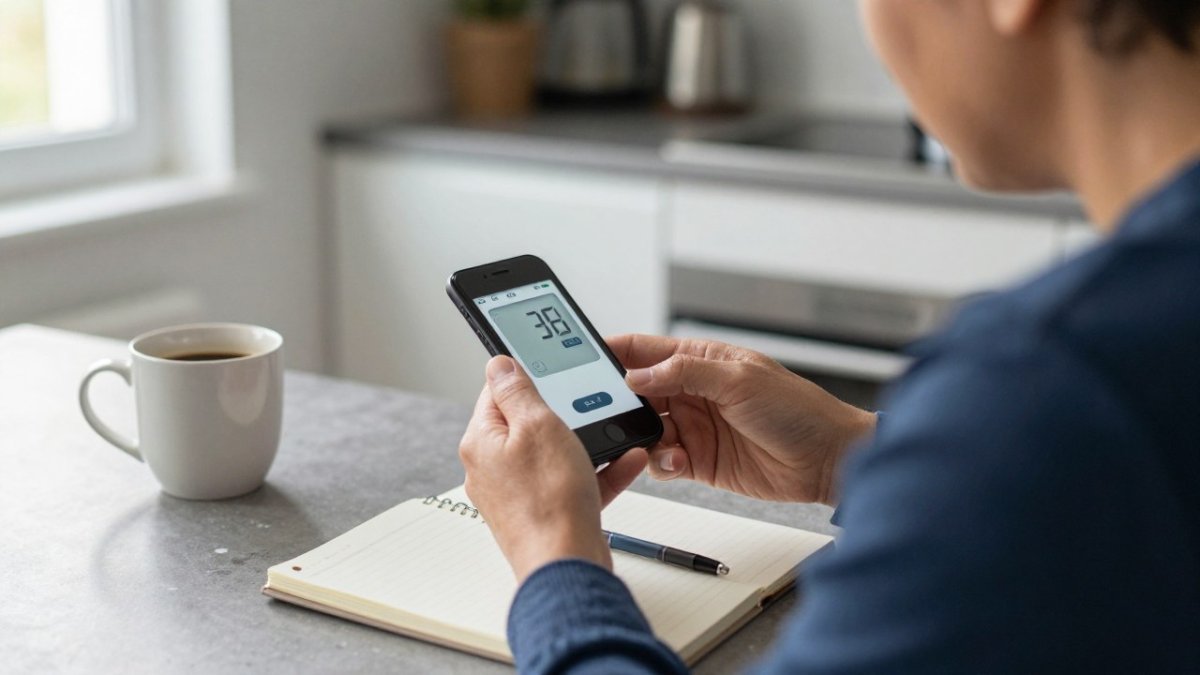
The following framework can help compare total cost of ownership:
- Cost per day of wear. Divide the sensor price by the number of days the sensor lasts. A sensor that costs more up front but lasts several days longer can be cheaper per day. This is the single most useful number for comparing devices.
- Replacement frequency. A 14-day sensor means about 26 sensors a year if you wear continuously; a 15-day sensor means about 24. Small differences in wear time compound over a year.
- Starter kit versus refill. The first purchase often bundles an applicator or welcome materials. Price the refill sensors separately, because that is what you will pay most of the time.
- App and subscription fees. Check whether the app charges a monthly fee, whether any features sit behind a paywall, and whether the device works without an account. A free app with a paid tier is a different cost profile from a flat subscription.
- Shipping and handling. Sensors are often shipped on a schedule. Confirm whether shipping is included or added per order, and whether refills auto-ship.
- Insurance and HSA/FSA eligibility. Some plans and health savings accounts cover OTC CGM purchases or reimburse them with a letter of medical necessity. Ask your plan and your HSA administrator before assuming either way.
- Duration of your experiment. A monitor you wear for a few weeks to learn your patterns costs far less than one you keep running indefinitely. Decide your intended wear window first, then price that window rather than a year.
To estimate your budget, divide the current sensor price by the number of days the sensor lasts, then multiply by the number of days you plan to wear it, 30 days, 90 days, or a full year. Do that for both devices before you decide which is cheaper for you.
Watch out: introductory pricing and bundle discounts often expire or apply only to the first order. Budget from the refill price, not the launch price, or your second month will cost more than you planned.
Pricing for these products changes frequently and is not verified in our research, so confirm figures directly with the manufacturer before budgeting. The goal is not to find the lowest sticker price but the lowest cost per day for the length of monitoring you actually intend to do.
How Long Should a Non-Diabetic Wear a CGM?
Most non-diabetics do not need to wear a CGM continuously. Some people choose a short trial of a few weeks, covering both typical days and a few deliberate tests, such as eating a particular meal or going for a walk after dinner. The goal is to learn your own response, then stop or move to occasional checks.
Longer wear makes sense if you are working with a clinician on a specific metabolic concern. In that case, follow their guidance on duration rather than a general rule. Remove the sensor on schedule and review what you learned, because continuous wear without a question in mind rarely produces useful insight.
Choosing Your CGM: Next Steps With Your Clinician
Start by deciding what you want to learn, then pick the device that answers that question at a price you can sustain. If you have prediabetes or a family history of diabetes, bring your readings to your doctor and ask how to interpret them alongside standard tests such as fasting glucose and HbA1c.
Our guide on longevity biomarkers from basics to an actionable plan shows which measurements to track alongside glucose data, so your next conversation with a clinician is focused and productive.
Ready to build a clearer plan for your health? Explore what matters most with Longevity-madesimple and turn glucose data into lasting, evidence-based habits.
Frequently Asked Questions
Can non-diabetics use a continuous glucose monitor?
Yes, in the United States, over-the-counter CGMs such as Stelo and Lingo are sold without a prescription for adults who do not have diabetes. Since the sensor measures interstitial glucose rather than diagnosing any condition, readings are best used to spot patterns in meals, sleep and activity. A continuous glucose monitor for non-diabetics does not replace a fasting glucose or HbA1c test from a doctor, and any persistently high or unusual readings should be discussed with a qualified healthcare professional.
Are CGMs useful for non-diabetics?
They can be useful for learning how specific foods, exercise and sleep affect your glucose levels, but the research on health outcomes in people without diabetes is still limited. Most benefit comes from using the data to change one habit at a time and checking the trend rather than reacting to single readings. Glucose variability is normal, so a CGM is best treated as a learning tool rather than proof that a particular diet works.
What is the difference between Stelo and Lingo?
Both are over-the-counter continuous glucose monitors sold in the United States and both use a wearable sensor paired with a smartphone app. Compare them on sensor wear duration, price per sensor, app features and how each handles data permissions before choosing. Check current pricing directly with each manufacturer, as prices can change and depend on the number of sensors purchased.
How long should a non-diabetic wear a CGM?
Many people wear an over-the-counter CGM for one sensor period, typically around two weeks, to collect enough meal and activity data to notice patterns. Repeated short trials are a common approach rather than continuous long-term wear. Stop wearing it if the sensor causes skin irritation, and speak with a healthcare professional if you have concerns about your glucose readings.